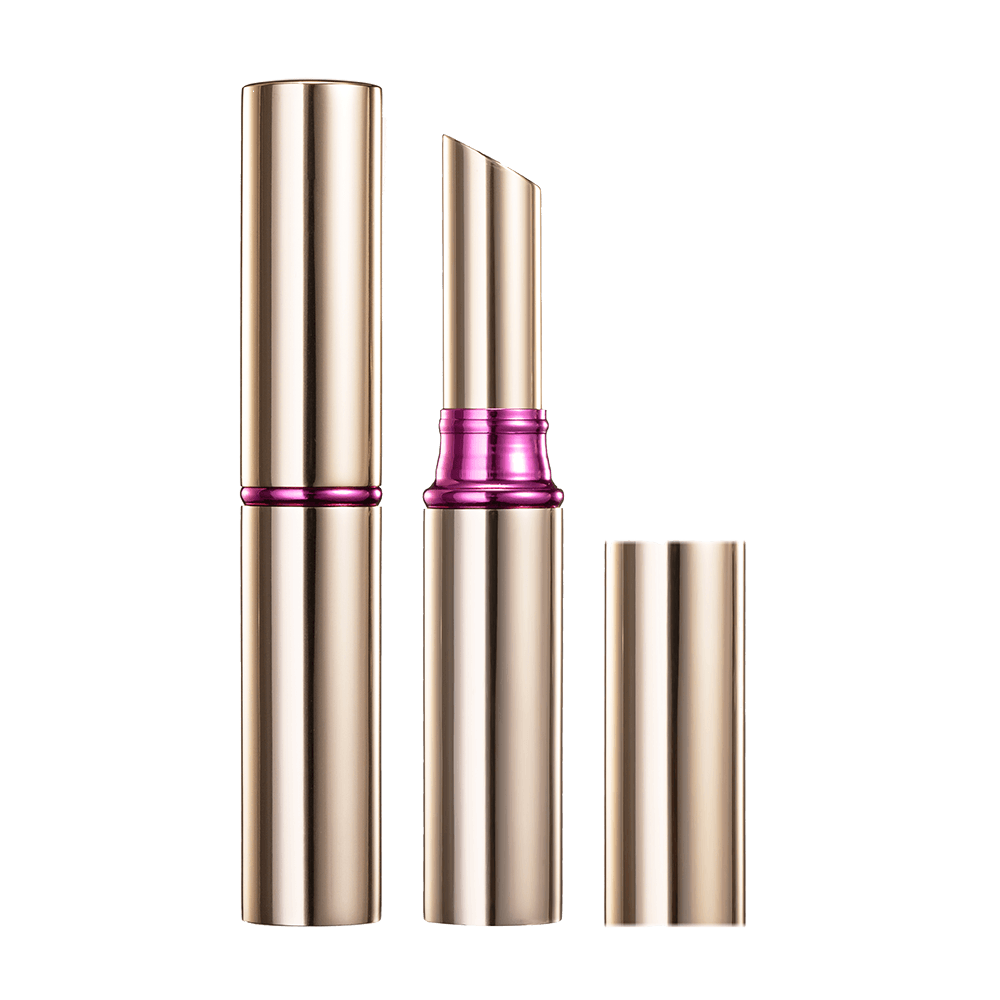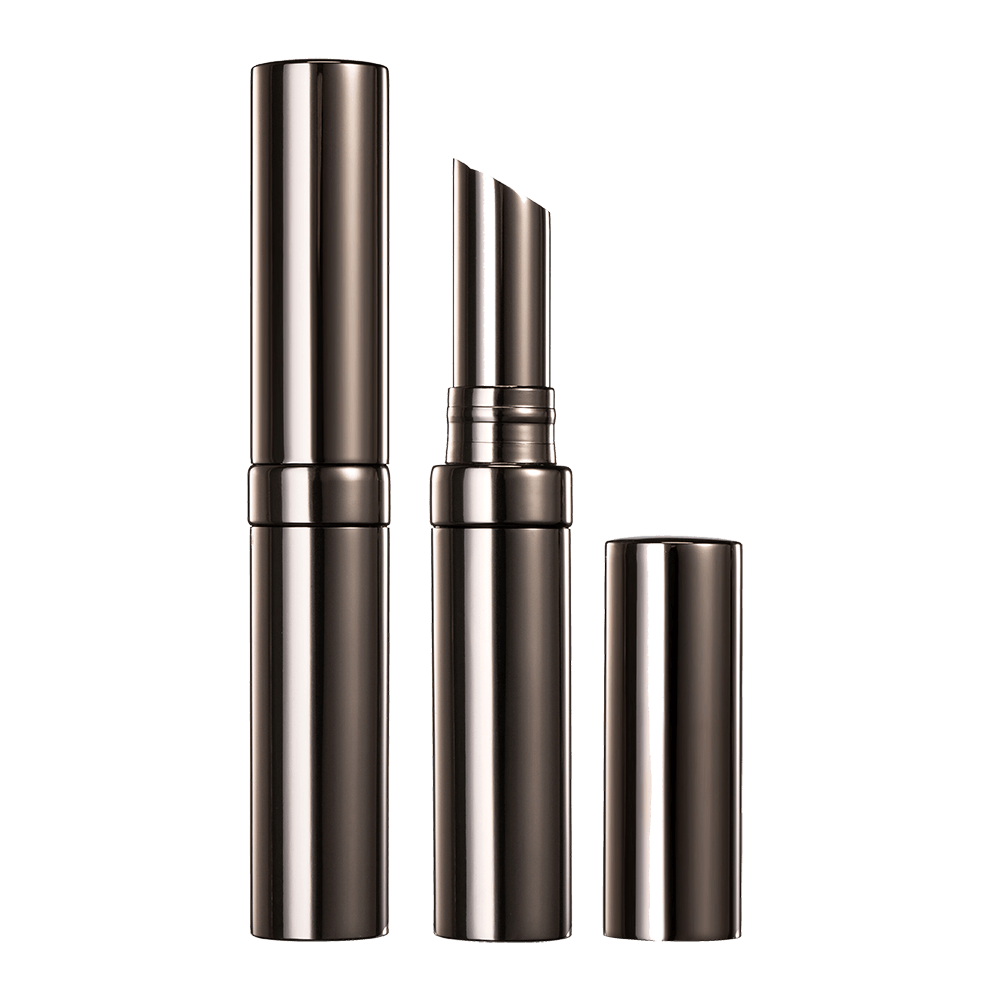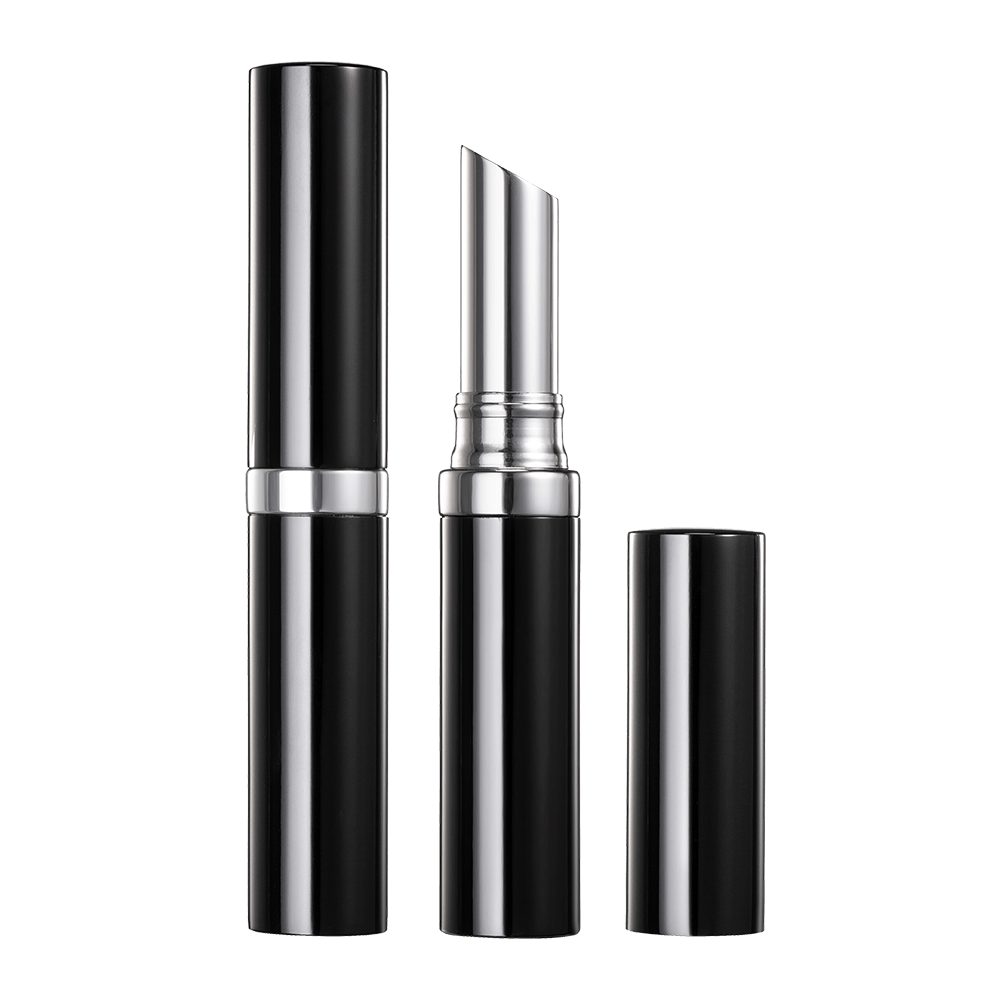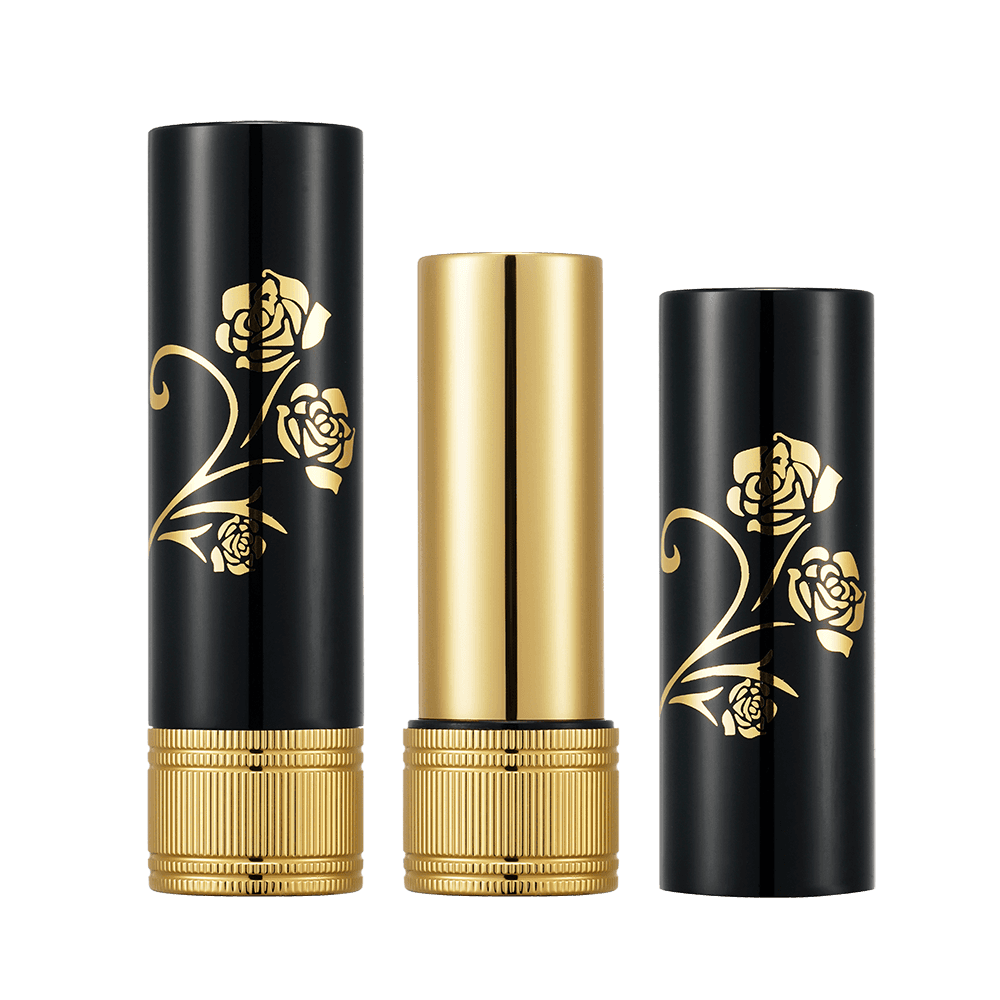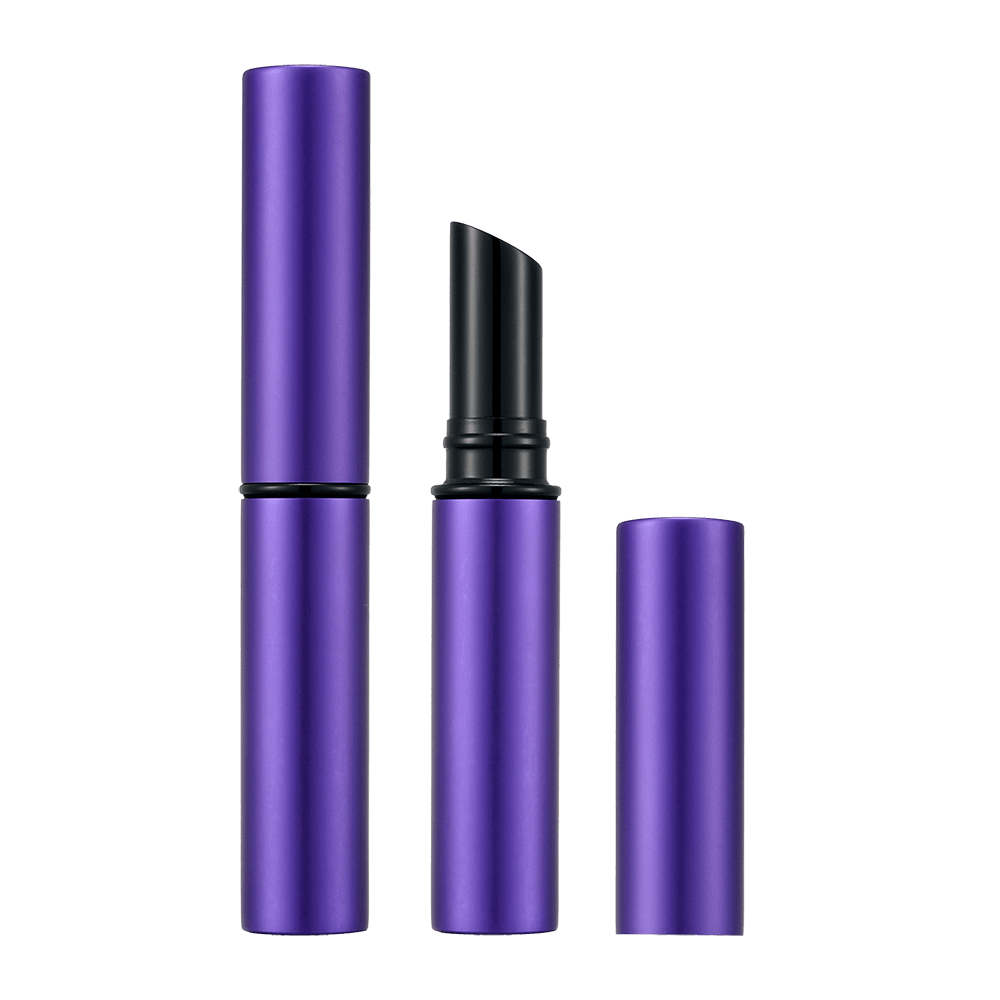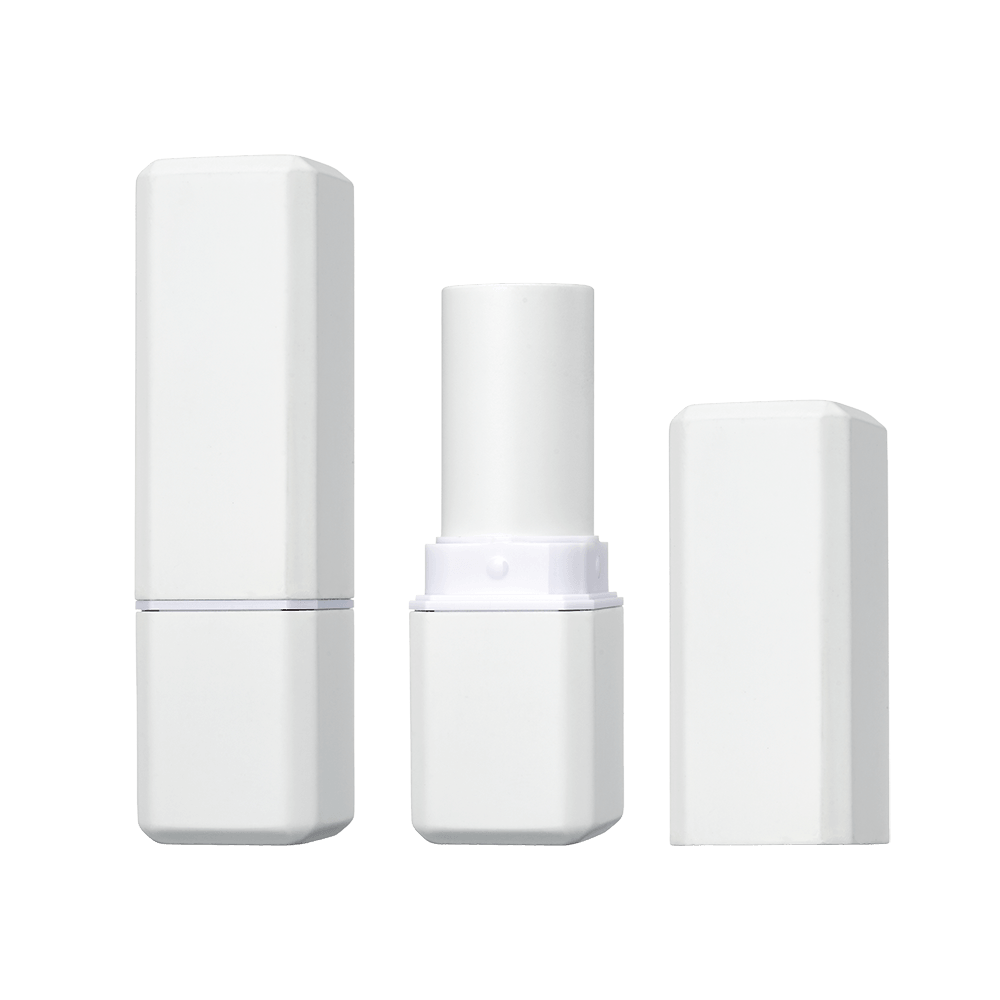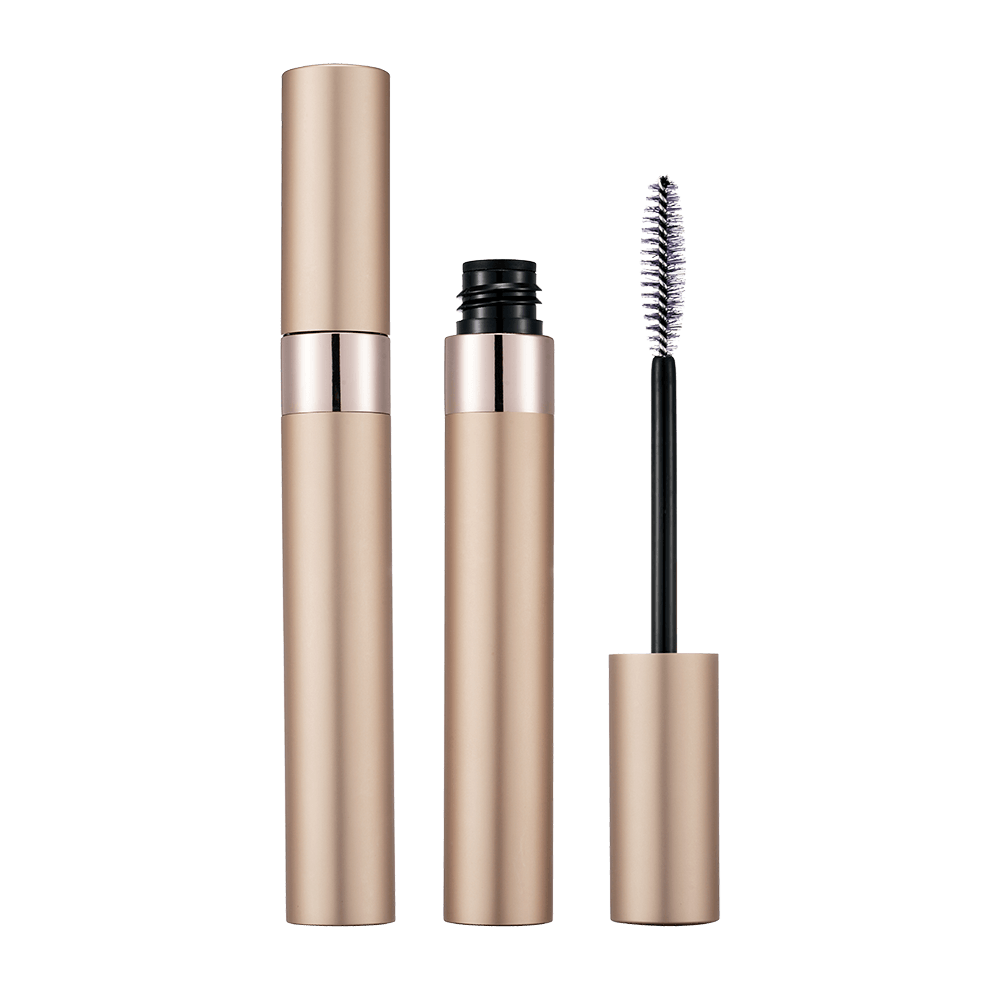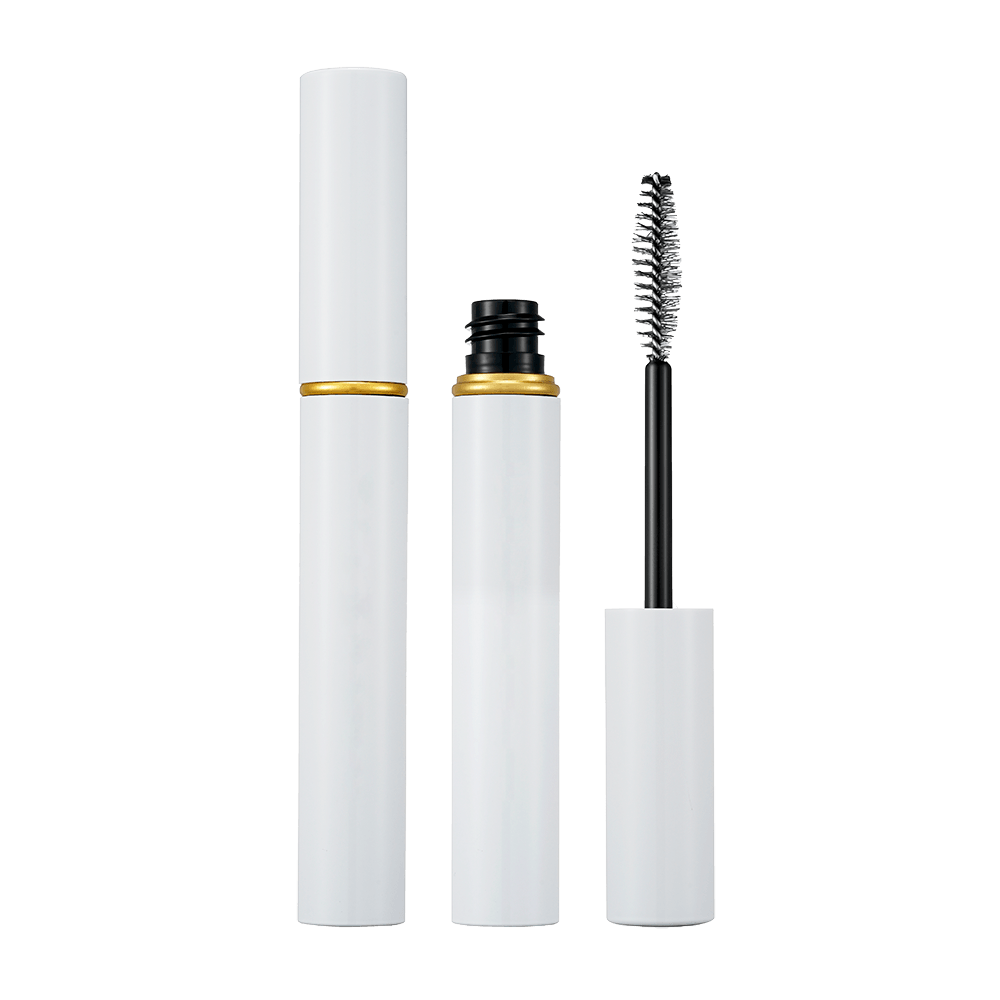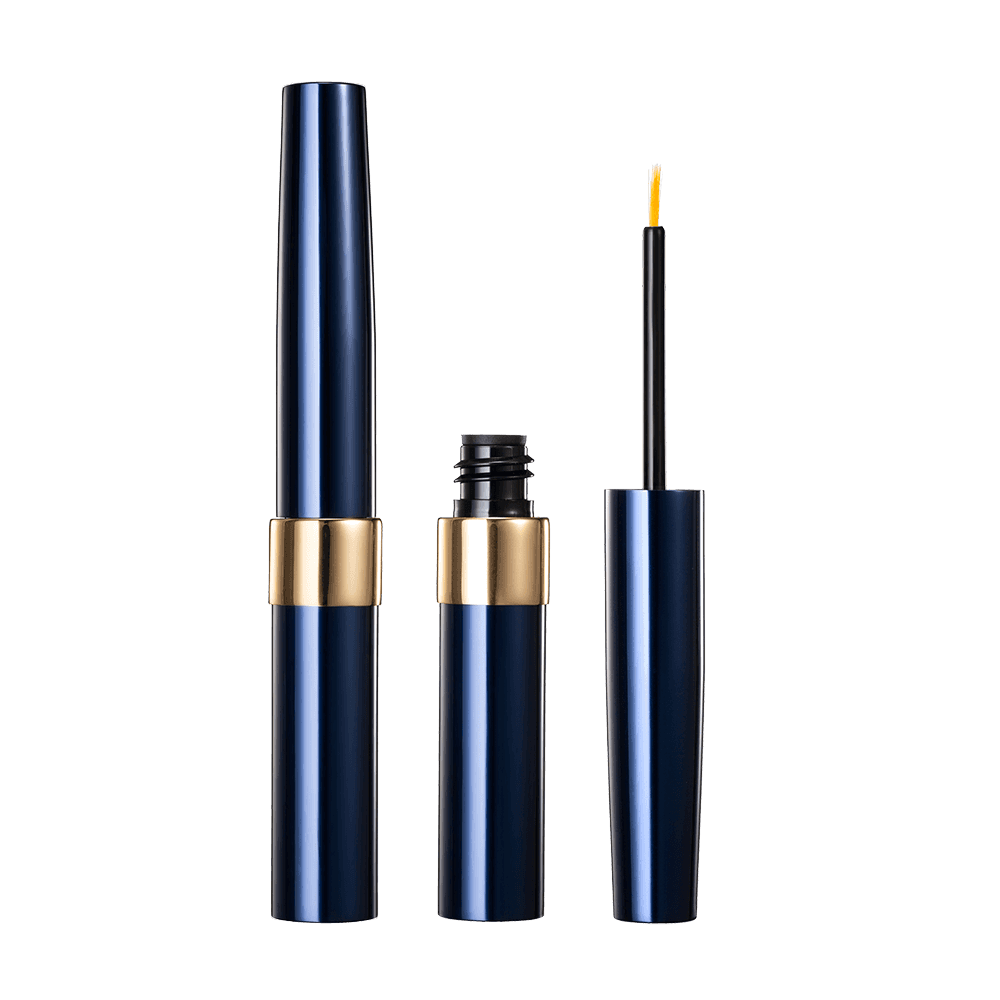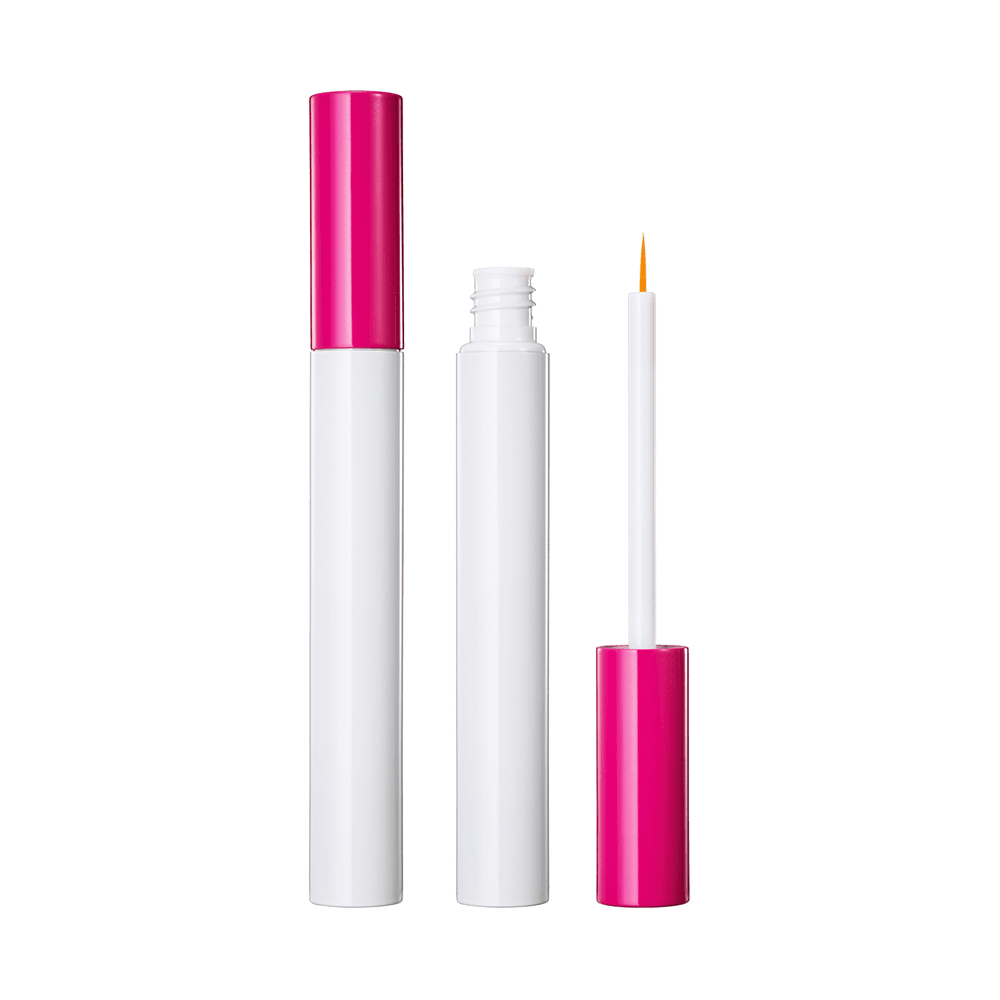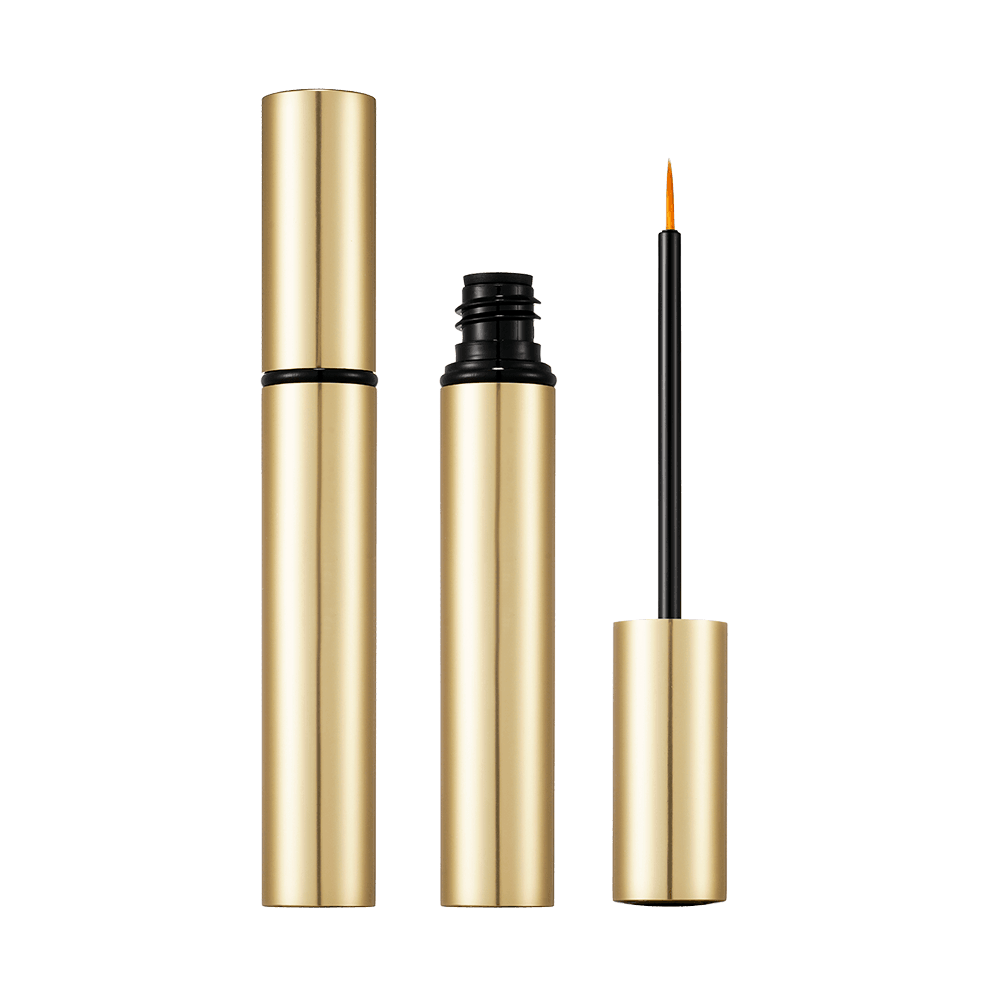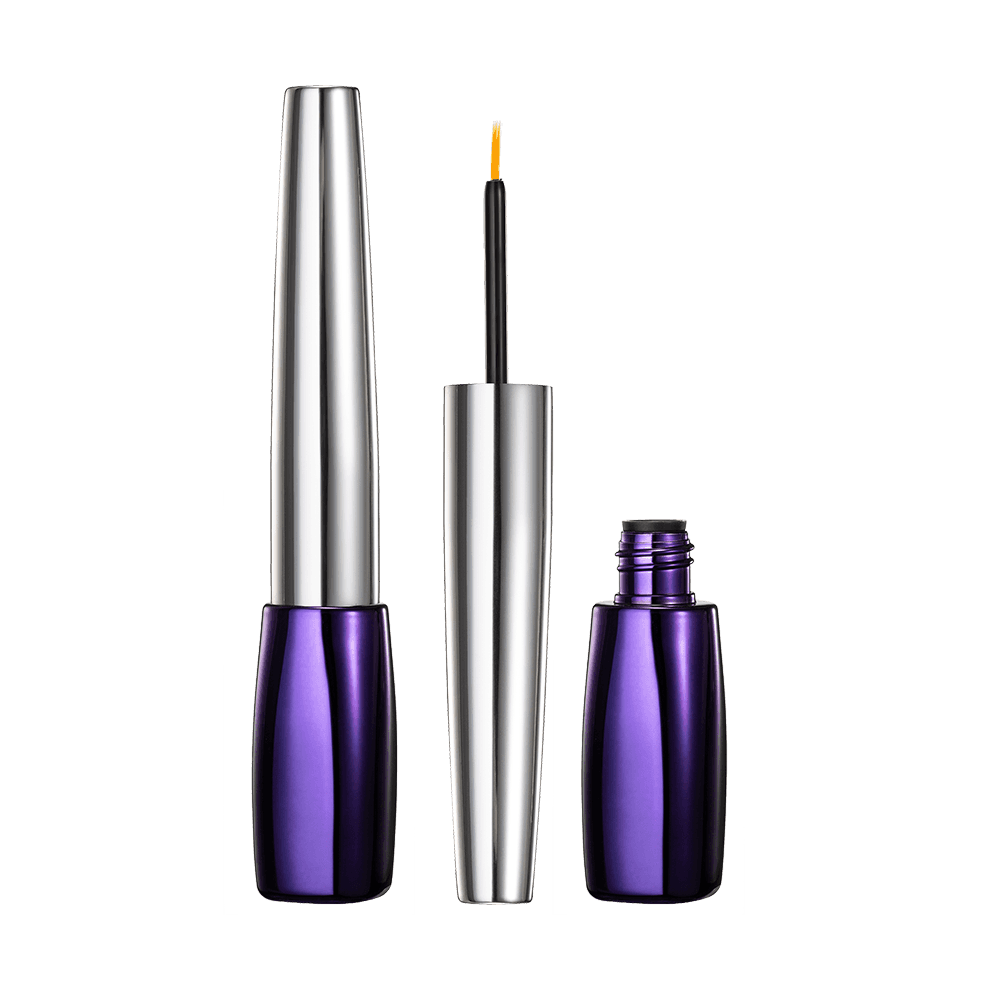

Odabir pravog tuba olovke za obrve zahtijeva procjenu pet ključnih faktora: vrsta vrha aplikatora, materijal cijevi i kvaliteta izrade, učinak brtvljenja, kompatibilnost s unutrašnjom formulom i mogućnosti prilagodbe za markiranje . Tuba nije samo pakiranje - ona izravno kontrolira kako se proizvod nanosi, koliko dugo traje neotvoren i kako se marka percipira na polici. Bez obzira jeste li kozmetički brend koji nabavlja ambalažu za novo lansiranje ili formulator koji odabire tubu koja odgovara određenoj formuli olovke za obrve, donošenje ispravnih odluka štiti kvalitetu proizvoda i potiče kupce na ponovnu kupnju.
Vrh aplikatora je dio cijevi olovke za obrve s kojim potrošač komunicira pri svakoj uporabi i određuje hoće li proizvod biti precizan, udoban i lak za kontrolu. Različiti formati savjeta odgovaraju različitim vrstama formula i ciljanim potrošačima.
Aplikator s mikrovrhom — obično 0,5 mm do 1 mm u promjeru — omogućuje korisniku crtanje pojedinačnih poteza dlačica koje oponašaju prirodne dlačice obrva. Ovaj je format tržišni standard za trend "pernatih obrva" i snažno ga preferiraju potrošači koji žele prirodan, definiran izgled, a ne čvrsto popunjene obrve. Mikrovrhovi zahtijevaju formulu s dovoljnom gustoćom pigmenta i prianjanjem kako bi proizveli vidljive poteze bez potrebe da korisnik primjenjuje pretjerani pritisak koji bi povukao kožu.
Ravni vrh izrezan dlijetom može se rotirati kako bi se proizvela precizna tanka linija (pomoću uskog ruba) ili širi potez ispune (pomoću ravne površine). Ovaj format s dvostrukom funkcijom posebno je prikladan za korisnike početnike koji žele svestranost od jednog proizvoda — povlačenje finih poteza rubom i popunjavanje tijela obrva ravnom stranom. Obično se koristi u proizvodima za obrve u stilu voštane olovke s tvrđom formulom.
Tube olovke za obrve opremljene mekom glavom četkice na suprotnom kraju od vrha formule omogućuju korisniku blendanje i razmazivanje linija odmah nakon crtanja, stvarajući mekši, prirodniji završetak. Ovaj format dva u jednom dodaje značajnu percipiranu vrijednost za potrošače i posebno je prikladan za formate na bazi pudera ili gela za obrve. Tube koje kombiniraju vrh formule na jednom kraju i meku četkicu na drugom zahtijevaju pažljiv unutarnji dizajn kako bi se osiguralo da je glava četkice sigurno fiksirana i da ne bacaju čekinje — kritična točka kontrole kvalitete za proizvođače kozmetičke ambalaže.
Spoolie (spiralna četka) na jednom kraju cijevi dotjeruje i stapa dlačice obrva, omogućujući potrošaču korištenje jednog proizvoda i za definiranje i za njegu. Tube olovke za obrve s vrhom na kalem uobičajene su u srednjem do vrhunskom tržišnom pozicioniranju i komuniciraju svestranost i primjenu profesionalne kvalitete potrošaču na prodajnom mjestu.
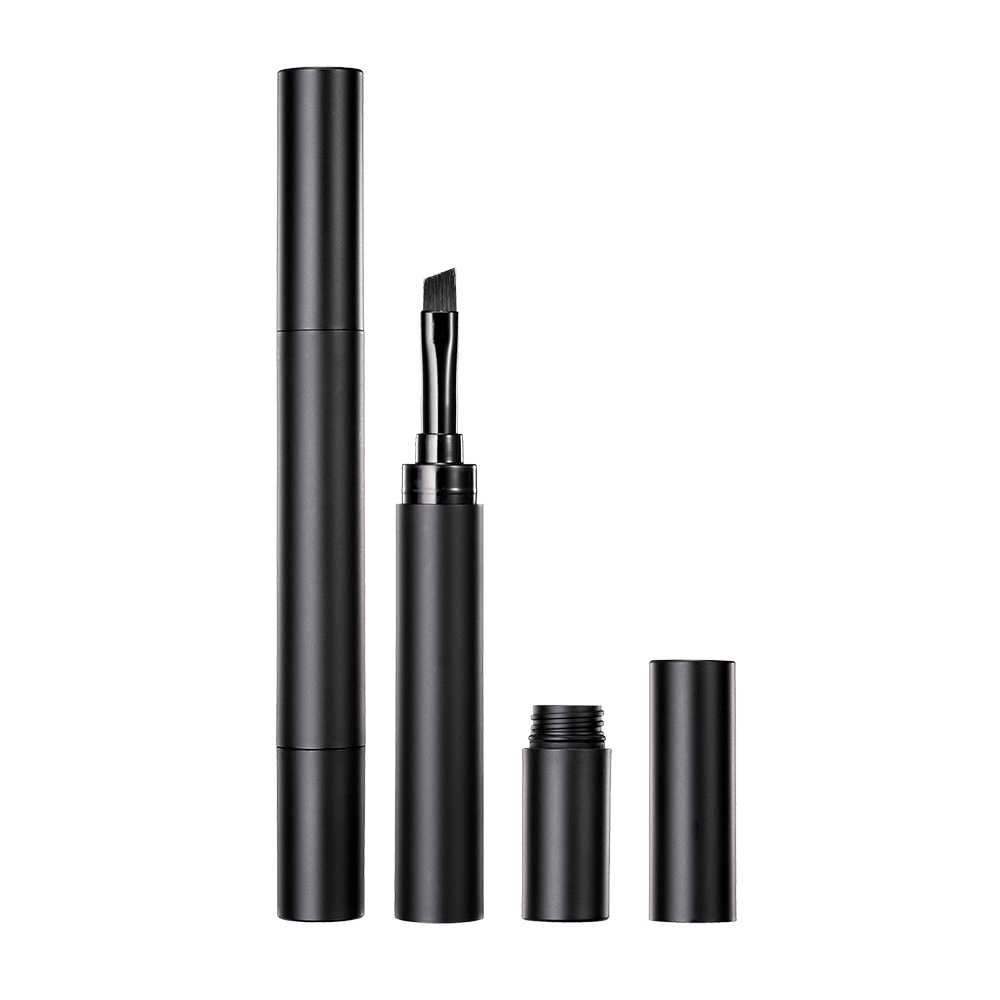
Materijali koji se koriste za izradu tube olovke za obrve utječu na njenu težinu, osjećaj u ruci, performanse barijere, vizualnu završnicu i dugoročni strukturni integritet. Kombinacija materijala u vrhunskoj cijevi — poput ABS poklopca, aluminijskog središnjeg prstena i kućišta PET boce — namjeran je izbor koji uravnotežuje svojstva svakog materijala kako bi se postigla funkcionalna izvedba i estetika prikladna za marku.
ABS je standardni materijal za kapice olovke za obrve zbog svoje izvrsne otpornosti na udarce, stabilnosti dimenzija i jednostavnosti oblikovanja prema preciznim tolerancijama. Dobro izrađena ABS kapica čvrsto stoji na cijevi bez potrebe za pretjeranom silom za otvaranje ili zatvaranje — važna funkcionalna kvaliteta koja izravno utječe na zadovoljstvo korisnika. ABS prihvaća boju, metalizaciju i završne obrade površinske teksture, omogućujući da se poklopac podudara ili kontrastira s tijelom tube za kohezivni dizajn pakiranja.
Aluminijski središnji prsten ili prsten između čepa i tijela tube dodaje vizualnu težinu i vrhunski metalni naglasak koji značajno podiže percipiranu vrijednost pakiranja. Aluminijski prstenovi otporni su na koroziju, mogu se anodizirati u nizu boja i pružaju taktilnu razliku u kvaliteti kada potrošač drži proizvod. Iz strukturne perspektive, aluminijski prsten također ojačava spoj između poklopca i tijela, smanjujući rizik od pucanja ili deformacije na mjestu cijevi s kojim se najviše rukuje.
PET je izvrstan izbor za tijelo cijevi olovke za obrve jer kombinira prozirnost (omogućujući potrošaču da vidi preostalu razinu proizvoda), kemijsku otpornost na širok raspon sastojaka kozmetičke formule i kompatibilnost s visokokvalitetnim procesima ispisa i označavanja. PET ima visoka barijera za prijenos pare vlage — važno svojstvo za održavanje postojanosti formula olovke za obrve na bazi voska ili gela tijekom njihova roka trajanja.
Učinkovitost brtvljenja jedan je od najkritičnijih — i najčešće nedovoljno definiranih — aspekata odabira tube olovke za obrve. Cijev koja slabo brtvi dopušta prodor vlage, što isušuje voštane formule i razgrađuje pigment, te omogućuje isparavanje hlapljivih organskih komponenti, što mijenja konzistenciju formule i učinkovitost primjene tijekom vremena.
Dva najvažnija svojstva brtvljenja za procjenu su:
Kada ocjenjujete učinkovitost brtvljenja dobavljačeve cijevi, zatražite zapečaćene uzorke i provedite a test vlažne komore na 40°C / 75% RH tijekom 30 dana simulirati ubrzano starenje. Gubitak težine formule ispod 0,5% u ovom testu ukazuje na prihvatljivu učinkovitost brtvljenja za većinu formata olovke za obrve.
Materijal cijevi mora biti kemijski kompatibilan s formulom olovke za obrve koju će sadržavati. Nekompatibilne kombinacije materijala i formule uzrokuju degradaciju formule, promjenu boje, deformaciju cijevi ili kontaminaciju — a sve to može rezultirati povlačenjem proizvoda i pritužbama potrošača.
| Vrsta formule | Kompatibilni materijali cijevi | Ključni rizik kompatibilnosti | Prioritet pečaćenja |
| Voštani / u obliku olovke | ABS, PP, PET | Migracija voska u plastiku na povišenoj temperaturi | Umjereno |
| Formula gel/krema | PET, PP, aluminij | Ekstrakcija otapala iz plastike; migracija nafte | visoko |
| Tekući / flomaster stil | PET, PP, HDPE | Isparavanje kroz poklopac; naseljavanje pigmenta | Kritično |
| Puder/pomada za obrve | ABS, PP, aluminij | Taloženje praha; formula za stvrdnjavanje upijanja vlage | Umjereno |
Uvijek zatražite dokumentaciju o testiranju kompatibilnosti od dobavljača cijevi, uključujući rezultate ispitivanja uranjanjem koji ne pokazuju vidljivu promjenu materijala cijevi nakon 30 dana izlaganja na stvarnu formulu na 40°C. Proizvođači visokokvalitetne ambalaže održavaju podatke o kompatibilnosti materijala za uobičajene vrste kozmetičkih formula i mogu savjetovati o odabiru tuba na temelju kemije formule.
Površinska obrada an tuba olovke za obrve je jedan od najmoćnijih alata za komuniciranje pozicioniranja robne marke i razlikovanje proizvoda na prepunoj maloprodajnoj polici. Vrhunska površinska obrada također poboljšava prianjanje tijekom nanošenja, što dodaje funkcionalnu vrijednost uz estetiku.
Aplikacija logotipa i robne marke na tijelu tube posljednji je korak u stvaranju ambalaže koja jasno i dosljedno komunicira identitet marke. Različite tehnike ukrašavanja nude različite razine kvalitete, cijene i mogućnosti dizajna.
Sitotisak nanosi tintu izravno na površinu cijevi kroz mrežasti ekran, stvarajući oštru, neprozirnu grafiku s izvrsnom točnošću boja. Isplativo je za serije od 5000 jedinica ili više i pogodan za logotipe, tekst i jednostavne grafičke elemente. Sitotisak na zakrivljenim cijevnim tijelima zahtijeva preciznu registraciju kako bi se izbjeglo izobličenje finih slova ili grafičkih detalja.
Vruće žigosanje nanosi metalnu foliju na površinu cijevi pomoću grijane matrice, stvarajući zlatne, srebrne, ružičasto zlatne ili holografske elemente logotipa s iznimnom kvalitetom refleksije. Utisnuta folija izgleda neprozirno i visoko reflektirajuća u odnosu na mat obojene pozadine — kombinacija koja se široko koristi u pozicioniranju vrhunske i luksuzne kozmetike. Vruće žigosanje prikladno je za logotipe i kratke tekstove, ali ne i za velika puna područja ili fine gradijenete.
Toplinski prijenos proizvodi slike u boji fotografske kvalitete na površini cijevi prijenosom unaprijed otisnutog filma na podlogu pod toplinom i pritiskom. Omogućuje vrlo detaljna, složena umjetnička djela uključujući gradijente, slike u stilu fotografije i zamršene uzorke — mogućnosti koje nadilaze konvencionalni sitotisak ili tampon tisak. Termalni prijenos idealan je za robne marke sa složenim vizualnim identitetom ili sezonskim ograničenim izdanjima pakiranja.
Izdignuti 3D logotipi ili reljefni uzorci na tijelu cijevi stvaraju taktilni element marke koji komunicira umijeće izrade i dodaje fizičku točku angažmana za potrošača. 3D uzdignuti ukras najučinkovitiji je na kapi ili ovratniku gdje potrošačevi prsti prirodno odmaraju tijekom uporabe, pružajući suptilnu dodirnu točku marke pri svakoj primjeni.
Kada se tube olovke za obrve nabavljaju od proizvođača pakiranja, precizno definiranje sljedećih specifikacija sprječava skupe cikluse revizije uzoraka i osigurava da prva proizvodna serija ispunjava zahtjeve:
Kvaliteta dobavljača cijevi ima izravan i trajan utjecaj na kvalitetu, dosljednost i usklađenost gotovog proizvoda s propisima. Prilikom ocjenjivanja dobavljača, sljedeći kriteriji razlikuju pouzdane profesionalne proizvođače ambalaže od dobavljača robe: